How to Add AC to a Detached Garage (Without Wasting Money)
I build and remodel in Knoxville, and every summer I get calls from homeowners who spent good money on a garage air conditioner that can't keep up. The unit runs nonstop, the electric bill spikes, and the space still feels like a swamp. Almost every time, the problem started before they bought the AC unit - they skipped insulation, picked the wrong system, or ignored the electrical side entirely. Here's how to add ac to a detached garage the right way, whether you're setting up a woodworking shop, home gym, or backyard office.
Updated
What to Know First
-
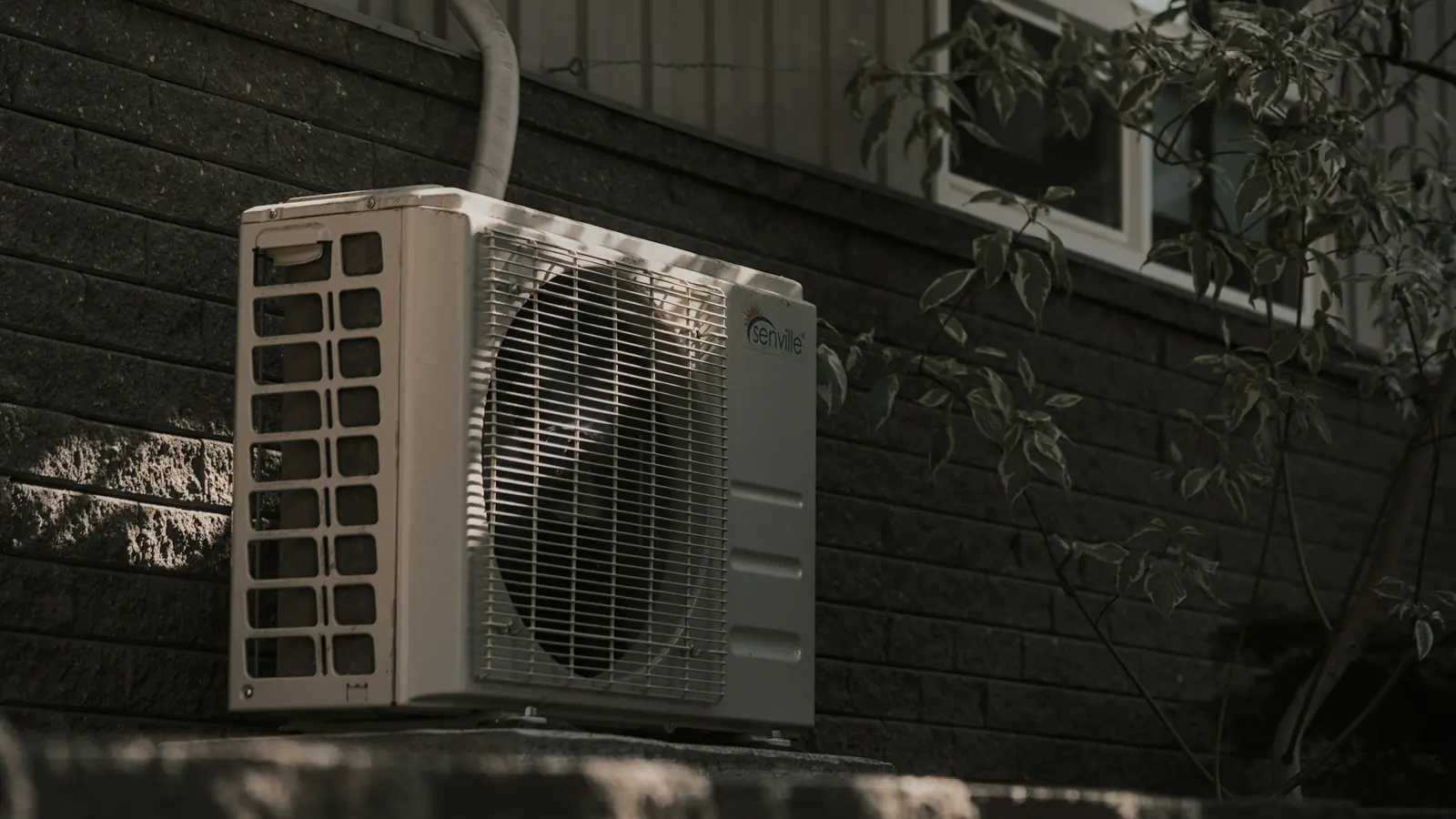
A ductless mini split heat pump can be the best long-term solution for a detached garage you use regularly. The cost to install a ductless mini split is $3,200 to $7,500 depending on garage size and electrical work.
-
For cooling, garages usually need 25 to 40 BTU per square foot. A one-car garage usually needs 6,000 to 9,000 BTUs. A two-car garage usually needs 9,000 to 18,000 BTUs. A three-car garage may need 18,000 to 24,000 BTUs or more.
-
Always check local code for outdoor disconnect requirements, permits, carbon monoxide alarms and smoke alarms before you start any work.
Air Condition a Detached Garage?
Garages can heat up 20°F to 30°F hotter than outside air temperature. In a Knoxville summer that already hits 88°F regularly, that means your detached garage can push well past 110°F inside. Humidity stays around 70% outdoors, which means tools rust, wood bends and you sweat through a shirt in minutes.
Here's my quick gut check:
- A 12×20 accessory building under 200 sq ft used as a studio? This can be a good fit for a small mini split system or even a window unit.
Step 1: Check Your Detached Garage Size, Use, Insulation and Ceiling Height
You should grab a tape step and a notebook. Before you spend a dollar on cooling equipment, it's a good idea to know what you're working with.
-
Measure floor area. Length times width is your square footage. A 20×20 garage is 400 sq ft. A 24×24 is 576 sq ft.
-
Note ceiling height. A 20×20 garage with 10-foot ceilings has 25% more volume than the same footprint at 8 feet, which means there is more hot air to cool and you have higher BTU requirements.
-
Inspect insulation. Open studs with no batts? Bare roof deck overhead? Many garages built in the '90s through 2020s in East Tennessee have zero wall or ceiling insulation. You might see fiberglass batts, spray foam or just bare framing and sheathing.
-
Check for air leaks. Look at the garage door bottom seal, the weatherstripping on the sides and top, the man door threshold, the window frames and the penetrations for wiring or hose bibs. Every gap lets outside air and humidity flood in.
-
Define your use. A daily workshop with a welding machine and compressor adds a lot of heat to the space. Because a weekend car project space is easier on your system, you'd want to match your air conditioning investment to how you actually use the room.
-
Account for heat sources. Fridges, freezers, compressors, vehicles and even a water heater inside the garage all generate heat that pushes your cooling capacity needs upward.
Step 2: Seal Leaks and Insulate First
On every Knoxville detached garage I've conditioned, we tackle air sealing and adding insulation first. Otherwise the air conditioner is running all the time, your electricity bill is shooting up, and the space still feels sticky.
Air sealing moves (do these first):
-
Replace the worn garage door bottom seal and the weatherstripping on the sides and top
-
Foam or caulk around wiring penetrations, hose bibs and gaps at the sill plate
-
Add a sweep or threshold seal at the man door
-
Use exterior-grade caulk to seal around window frames
Insulation upgrades:
-
A garage door insulation kit runs $50 to $200 in 2026 and can raise the R-value of an uninsulated door from R-0 to R-9. Insulating garage doors can reduce heat gain a lot - it's one of the highest-return moves you can make.
-
Insulate walls with R-13 fiberglass batts if you have open 2×4 framing. Insulating walls and ceilings reduces overall thermal transfer and makes every cooling method more effective.
-
Add R-19 or higher in the ceiling. In a low-attic detached garage with a dark roof, the ceiling is your biggest heat source.
Sealing air leaks can improve garage cooling efficiency a lot. In our humid East Tennessee climate, insulating without sealing still lets moist outside air sneak in and make your AC work too hard. Together, insulation and air sealing can cut heating and cooling costs by about 15%. Proper insulation enhances the cooling performance of a detached garage a lot - it's the single most important prep step.
Step 3: Choose the Right AC Type for a Detached Garage
We're not extending house ductwork to the garage. Instead, you're picking a dedicated air conditioner or heat pump just for this conditioned space.
| Option | Best For | Efficiency | Noise | Heating? |
|---|---|---|---|---|
| Ductless mini split | Year-round workspace | High (SEER2 17+) | Quiet | Yes (heat pump) |
| Window unit | Occasional summer use | Moderate | Louder | Usually no |
| Through-wall unit | Semi-permanent budget install | Moderate | Moderate | Some models |
| Portable AC | Temporary or rental situations | Low | Loudest | Some models (electric resistance) |
A ductless mini split - also called a ductless mini or a ductless system - usually gives the best comfort and energy efficiency for a garage used as a workspace year-round, with both air conditioning and heating in one system.
Window units are reasonable for a smaller one-car detached garage with small insulation, limited budget and mostly summer use. Through-wall units are a step up - more permanent, better sealed against air leaks. You don't lose a window.
Portable air conditioners can work in a jam, especially dual-hose models, but they're generally loud, less energy efficient and tricky to vent correctly through a detached garage wall or door. Portable units are less efficient for long-term garage cooling - I'd only recommend them as a temporary fix.
How to Size Your Garage AC
-
One-car garage (~240 sq ft, 8–10' ceiling): A one-car garage usually needs 6,000 to 9,000 BTUs for enough cooling. Well-insulated, you'll be at the lower end.
-
Two-car garage (~400–600 sq ft): A two-car garage usually needs 9,000 to 18,000 BTUs. Uninsulated with a dark roof and big west-facing doors? You'd want to push toward the top of that range.
-
Three-car or large shop (~600+ sq ft): A three-car garage may need 18,000 to 24,000 BTUs or more, especially with high ceilings or heat-generating equipment.
Poor insulation, lots of sun exposure and tall ceilings push you toward higher BTU needs. Well-insulated garages with good air sealing can use the lower end. For a costly mini split system, a proper Manual J load calculation from an HVAC pro is worth it - especially in a variable climate like Knoxville with humid summers and occasional winter cold periods.
Ductless Mini Splits for Detached Garages
Most 12,000–24,000 BTU ductless mini splits need a dedicated 208/230V circuit and an outdoor disconnect per NEC 440.14. Smaller 9,000–12,000 BTU units sometimes offer 115V options, which makes electrical needs easier.
2026 estimated installed costs in Knoxville: about $3,200–$5,200 for a single-zone install in a one-car detached garage, and $4,500–$7,500+ for a two-car garage depending on electrical work and line set length. Local pricing data from ClearCost puts the Knoxville average around $4,575. Higher efficiency units with SEER2 ratings above 17 may qualify for TVA EnergyRight rebates, which can offset some of that cost. Mini split systems need a dedicated electrical circuit - budget for that upfront.
Budget Window, Through-Wall and Portable AC Options
Portable ACs come in single-hose and dual-hose versions. Both need a vent opening in a wall or a modified panel in a window or door. Single-hose models are pulling conditioned air out of the room to cool the compressor, creating negative pressure that pulls in more hot air from outside. Condensate management - bucket versus drain hose - adds hassle. Portable air conditioners are less efficient for long-term garage cooling. Best treated as a temporary fix, a portable ac is not a permanent system.
-
Window or through-wall air conditioners: $250–$800
-
Portable AC units: $30–$700
Electrical, Condensate and Code for a Detached Garage AC
Electrical work is usually the hidden cost that surprises homeowners. Installation costs can exceed $1,500 for permits and electrical work alone, especially if you need to run a new line from your house panel to the detached garage.
-
Most serious AC units need a dedicated circuit. Smaller window units may run on an existing 120V/20A circuit, but larger window units and all ductless mini splits usually need 208/230V at 20–30 amps.
-
Mini split and split system installs require a weatherproof outdoor disconnect near the condenser, per NEC 440.14.
-
Electrical capacities must be checked before buying an AC unit for a detached garage. A licensed electrician in Tennessee should handle panel upgrades and new lines to a detached building.
Permits and code: Local building permits may be required for HVAC installations. Specific installation steps must follow local code requirements and manufacturer's instructions. In Knoxville, the city has adopted 2024 I-Codes and the 2023 Electric Code. Under the 2018 IRC as used in Farragut and Knox County, no building permit is needed for a one-story detached accessory building of 200 sq ft or less - but electrical work and mechanical equipment in any size garage still trigger permits and inspections.
Knox County wants smoke alarms within 20 feet of bedroom doors, one in the attached garage, and at least 3 feet from any HVAC register or return. For detached garages with HVAC equipment, check with your local building department on current alarm requirements.
Fumes and Air Quality in a Detached Garage
- Add a dedicated exhaust fan high on a wall or in the gable, sized for about 10–12 air changes per hour when actively working. This is handling air movement for fumes and dust.
DIY or Hire a Pro for Installation
What I hire out to pros on Knoxville projects:
-
Charging mini splits with refrigerant (EPA 608 certification needed)
-
Upgrading panels and installing the outdoor disconnect
Warranty matters. Many ductless manufacturers in 2026 need licensed installation for full warranty coverage. Self-installing can void parts and compressor warranties even if the unit runs fine at first. Get at least two quotes from HVAC contractors and ask specifically about refrigerant lines length limits if the outdoor unit can't sit right next to the building.
Tips, Maintenance and Mistakes to Avoid
Running a garage AC like a house system - set-and-forget at 70°F all summer - will create massive cooling costs and moisture issues.
FAQ
Can I just tie my detached garage into my house HVAC system?
In almost all cases, no. House systems aren't sized for the extra load of even a one-car detached garage. Long duct runs across a yard or through an unconditioned attic are very inefficient and vulnerable to condensation. Code issues, equipment sizing and energy losses make this the wrong approach. Install a dedicated system instead.
What size mini split do I need for a 2-car detached garage?
For a typical 400–600 sq ft two-car detached car garage with 8–10 foot ceilings, most homeowners end up in the 18,000–24,000 BTU range. If the garage is fully insulated and shaded, you might drop to 12,000–15,000 BTU. Uninsulated with a dark roof and big west-facing doors? You'd want to stay at the top of the range. A Manual J calculation takes the uncertainty out of final sizing.
Do I need permits to add AC to my detached garage?
Requirements vary, but electrical work, new circuits and permanently mounted HVAC equipment almost always trigger permits - even if the building itself (under 200 sq ft) didn't need one originally. In Knox County and Farragut, the 2018 IRC applies with local changes. You'd want to call your local building department before starting. Permit fees for electrical or mechanical work in Knoxville usually start around $50 per trade.