How to Heat a Garage Yourself (Without Wasting Money)
I heat garages for a living in Knoxville, and I can tell you that most homeowners overthink the heater and underthink everything that keeps the heat inside. If you want to heat a garage yourself, start by stopping the drafts, then size a heater correctly to your garage size and your climate. Get those two things right and the rest falls into place.
Updated
Key Takeaways
-
Sealing drafts and insulating the garage structure is probably the most important step before heating. It's a good idea to always take care of insulation before you pick a heating method.
-
Most Knoxville-area 2-car garages (around 400–500 sq ft) need 20,000–35,000 BTU/hr once they have insulation. Walls that are bare block and a garage door made of thin steel can push that number well past 40,000.
-
Adding insulation and air sealing to your garage door, walls, ceiling and floor will usually cut the size of the heater you need and the cost of running it by 25–50% in cold weather.
-
Common DIY heat sources include electric space heaters, ceiling- or wall-mount electric units, portable propane heaters and natural gas heaters, plus ductless mini-splits and radiant floor heat if you want long-term comfort.
-
In Knoxville, Tennessee, details in the code like smoke alarms in the garage and combustion safety matter just as much as picking the right garage heater.
Why Bother Heating a Garage at All?
Every January I get calls from people who finally got fed up with their cold garage. They want to finish a woodworking project or use their new gym equipment, and walking into a 25°F concrete box ended the drive. I get it.
- Workspace and hobbies. With a heated garage, you can actually run a table saw, change your oil or do a workout without numb fingers. Even in moderate climates like East Tennessee, a garage with no heat drops near or below freezing on winter nights, which is rough on stored paint, batteries and any plumbing running through the space.
Step 1: Assess Your Garage Heating Needs
The right heating solution has four things going into it: garage size, insulation level, climate and how you actually use the space. If you skip this step, you'll either freeze or spend too much.
-
Measure your space. Length times width gives you square footage. A typical 1-car garage is 200–250 sq ft, a 2-car is 400–500 sq ft, and a 3-car runs 700 sq ft or more. Ceiling height matters too - if yours is 10–12 ft instead of 8 ft, you have more volume to heat, so bump your BTU estimate up 10–15%.
-
Size drives BTU demand. As a rough starting point, figure 35–60 BTU per square foot depending on insulation and climate. Garages in cold climates need closer to 50 BTU per square foot. In Knoxville (winter lows are often in the 20s, sometimes dropping to the teens), you're somewhere in the middle.
-
Attached vs. detached. An attached garage shares at least one warm wall with the house, which gives you a head start. A detached building loses heat on all sides and generally needs a larger heater.
-
Usage patterns. If you're out there daily running a workshop, a permanent heating system makes sense. For occasional use on a Saturday afternoon, a portable space heater might be all you need. Match the commitment level of the heater to how often you'll actually be in the space.
Step 2: Estimate How Much Heat (BTUs) You Actually Need
Before you buy any garage heater, guess at the BTU per hour you need so you don't end up with a unit that can't beat cold weather - or one that's way too big and wastes fuel.
-
BTU in plain English. BTU/hr is simply how much heat a unit puts out each hour. Electric heaters are often rated in watts instead: 1,000 watts equals about 3,412 BTU/hr. So how much does a 5,000 W electric heater deliver? About 17,000 BTU/hr.
-
Quick sizing examples:
-
1-car garage, 250 sq ft, insulated, mild climate: ~10,000–15,000 BTU/hr.
-
2-car garage, 450 sq ft, average insulation, East Tennessee: ~20,000–30,000 BTU/hr. For a baseline, a 400-square-foot garage needs 20,000 to 24,000 BTUs.
-
3-car garage, 700 sq ft, poorly insulated, cold climate: 45,000–60,000+ BTU/hr. A large garage may need up to 54,000 BTU per hour, or even more if the shell is really leaky.
-
Electrical reality check. Electric heaters above about 12,000 BTU/hr (about 3,500 W) usually need a 240 V circuit and sometimes a dedicated breaker. That fact alone may push you toward gas options or smaller electric units.
-
Insulation is the wildcard. The quality of your insulation, air sealing and garage door type (thin metal vs. insulated door) can swing the BTU requirement by 25–50% in either direction. That's why the next step matters more than which heater you pick.
Step 3: Insulate and Seal the Shell
You cannot efficiently heat a garage that's basically a sieve. Proper insulation and draft control is always step one, and it's the step that most people skip.
-
Garage walls and ceiling. Adding wall and ceiling insulation can help you retain heat in the garage. Insulating garage walls can reduce heat loss a lot. Fiberglass insulation is a cheap option for garage walls - R-13 batts fit standard 2×4 framing, and R-19 or R-21 fits 2×6 bays. For the ceiling, you'll want R-30 or higher. Spray foam insulation provides a more airtight seal than fiberglass and works well for odd-shaped spaces, though it costs more. Either way, a garage with good insulation can retain heat better during winter, period.
-
The garage door. This is usually the single biggest source of heat loss. You can insulate garage doors using fiberglass or foam panels - a garage door insulation kit with rigid foam boards cut to fit between the door ribs is a cheap weekend project. Upgrading to an insulated garage door reduces heat loss even more. Add door seals along the bottom and sides while you're at it. Insulating the garage door and walls helps performance by preventing thermal loss.
-
Windows and entry doors. Windows are a major source of heat loss in garages. Inspect doors and windows for gaps where air leaks may occur. Seal gaps around doors and windows to prevent drafts. Use caulking and weather stripping to seal draft gaps - peel-and-stick foam weatherstripping along frames, caulk around trim and window insulation film for cold weather all help. Inspect garage door frames for air leaks to seal drafts. Add weatherstripping to seal gaps around garage doors and entry doors wherever you feel cold air getting in.
-
The cold floor. Cold concrete sends cold right through your shoes. Cover work areas with locking tiles or thick rubber mats to knock the edge off. Full floor insulation or radiant floor heat is a larger project I'll cover below.
-
Start cheap. Knock out low-cost sealing first - gaskets, caulk, door sweeps, seal gaps, small gaps around outlets. With just a few dollars in weather stripping, you can save hundreds on a smaller heater and lower energy bills all winter.
Simplest DIY Electric Garage Heaters
Electric heaters are usually the easiest heating method for you to install, provided the electrical capacity is there. No gas lines, no venting, no worries about combustion.
-
Ceiling or wall mounts. Electric wall- or ceiling-mounted forced-air heaters save floor space and are easy to set up. A typical unit runs 5,000–10,000 W (about 17,000–34,000 BTU/hr of heated air output). These mount to ceiling joists or wall framing and connect to a dedicated 240 V circuit. Choose a heating unit that matches power availability without requiring hardwiring if you want to keep it truly DIY.
-
Pros. No carbon monoxide risk, easier permitting, no gas line to run. Smart thermostats or rated smart plugs give you scheduling and remote control.
-
Cons. Electric radiant heaters cost more to run in larger spaces. At Knoxville's ~10–11¢/kWh, running a 7,500 W heater for 4 hours costs about $3–$3.30. That adds up on your electric bill if you're heating a large space daily. For a whole garage with no insulation, electric alone may not cut it without upgrading your electrical service.
Natural Gas and Propane Garage Heaters
For larger garages, higher BTU output or very cold weather, natural gas and propane heaters are often the smarter play. Natural gas heaters provide consistent heating output for larger garages and natural gas heaters offer long-term savings on operating costs - about 42% cheaper per BTU compared to electric resistance in Tennessee.
-
Natural gas heaters. Ceiling-mounted forced-air units and radiant tube heaters usually range from 30,000 to 60,000+ BTU/hr. Natural gas or propane unit heaters are mounted to the ceiling to save floor space, keeping your work area clear. They are tied into an existing gas line, which makes them practical in areas with gas service.
-
Natural gas vs. propane. If you have city gas (common in Knoxville proper and Farragut), natural gas heaters are the go-to. Rural properties without gas service use propane tanks instead. Propane runs about $3.15/gal in Tennessee, so operating costs are higher than natural gas but still often beat electric resistance for high-output garage heating.
-
Safety and code. This is where things get serious. Proper ventilation is needed. Propane heaters need proper ventilation because of carbon monoxide risk. Direct-vent units pull combustion air from outside and exhaust back out, which is the safest setup. Combustion air requirements and clearances to combustibles are outlined in the International Fuel Gas Code, and honestly, most of this work is better left to a licensed HVAC tech or gas fitter.
Ductless Mini-Splits and Radiant Floors
- Ductless mini-splits. Ductless mini-splits are highly efficient heating solutions. Ductless mini-split systems offer both heating and cooling options, which is a huge advantage in East Tennessee where summer humidity can be just as miserable as winter cold. Modern cold-climate models still produce warm air at outdoor temperatures down into the teens. Line-set and electrical work often need a pro, but prep tasks like pouring a condenser pad or cutting the wall penetration are DIY-friendly.
Smart Thermostats and Controls for Garage Heating
Smart controls help avoid overheating the garage or wasting energy when you're not out there working. This is where small investments pay off fast.
- Scheduling and remote control. Preheat the shop 30–60 minutes before you head out, or keep the space at a low "standby" temperature (say 45°F) and bump it up from your phone when you're ready to work. This setback approach cuts energy bills without sacrificing comfort.
Safety, Code and Garage Ventilation
Heating a garage is not just about comfort. It's about fire safety, carbon monoxide and following local codes. I've seen enough sketchy setups on job sites to know this section matters.
-
General fire safety. Maintain clearances of at least 3 to 6 feet from flammable materials near heaters. Proper heaters should be kept clear of flammable materials in a garage - gas cans, paint thinner, oily rags, sawdust. Never drape extension cords or rags over heating elements.
-
Combustion safety. Ventilation is essential if using combustion heaters to prevent carbon monoxide buildup. Avoid unvented combustion heaters in sealed spaces because of carbon monoxide risks. Never use a barbecue or generator indoors as they can introduce carbon monoxide. If you're running any open flame or combustion heater, use UL-listed equipment rated for garage or indoor use with proper venting.
-
Electrical safety. Use properly sized circuits. Don't daisy-chain power strips for high-wattage heaters. If you're not comfortable with 240 V panel work, call an electrician. This is not the place to wing it.
-
Knox County code. Here's what I see locally: Knox County requires a smoke alarm in the attached garage. They deleted the IRC requirement for a self-closing device on the door between the house and garage, but retained the smoke alarm rule instead. Smoke alarms need to be within 20 feet of bedroom doors, and at least 3 feet from any HVAC register or return.
-
Carbon monoxide detector placement. If you're using any gas or propane heater, add both smoke and carbon monoxide alarms in or near the garage. It's cheap insurance against hot air turning into a life-threatening situation.
When to DIY vs. Call a Pro
As a builder in Knoxville, I like seeing you do your own projects. But some parts of garage heating cross into "hire a pro" territory. That line is usually drawn at gas and high-voltage electric.
-
DIY-safe tasks: Installing weather stripping, adding batt insulation in exposed stud bays, hanging a small plug-in electric space heater, applying a garage door insulation kit, basic smart thermostat setup.
-
Call a pro: Running new gas lines for natural gas heaters, installing direct-vent combustion appliances, adding high-amperage 240 V circuits to your panel, or designing hydronic radiant floor systems. Traditional HVAC systems and complex heating system installations need licensed hands.
-
Local help. In the Knoxville, Farragut, Maryville and Oak Ridge area, my company handles garage build-outs, insulation upgrades and installing code-compliant heating systems as part of larger remodels. We see this work constantly.
A Sample DIY Garage Heating Plan
Here's how I'd walk a typical homeowner through heating a 2-car attached garage in Knoxville from start to finish.
The scenario: 2-car attached garage, about 20×22 ft (440 sq ft), uninsulated walls, thin steel garage door, standard 8-ft ceiling. Outside temps hit the teens on the coldest winter nights. Goal: comfortable workshop and gym use at 55–60°F when occupied.
-
Phase 1: Air sealing (Weekend 1). Install weather stripping on the garage door and entry doors. Caulk around windows, outlets and any penetrations. Lay down floor mats in the work area. Cost: under $100. This alone can reduce heat loss by 10–20%.
-
Phase 2: Insulation (Weekend 2–3). Insulate garage walls with R-13 or R-19 fiberglass batts. Blow or batt the ceiling to R-30+. Install rigid foam boards in the garage door panels or upgrade to an insulated garage door. Estimated BTU need drops to around 20,000–25,000 BTU/hr.
-
Phase 3: Heater install. Choose an appropriately sized electric ceiling-mount heater (say 5,000–7,500 W on a 240 V circuit) or a small natural gas forced-air unit in the 30,000 BTU range. Add a smart thermostat. Set a standby temperature of 45°F and bump to 60°F when you're heading out to work.
FAQ About Heating a Garage Yourself
Safest Way to Heat a Garage?
Sealed-combustion (direct-vent) natural gas heaters mounted high on the ceiling, or electric heaters with no open flame, are generally safest when vehicles and gasoline are present. Maintain clearances from vehicles, gas cans and solvents, and never use open-flame portable heaters near fuel or solvent fumes. Install both a carbon monoxide detector and a smoke alarm, following local code on placement and type.
Run Home HVAC Ducts into the Garage?
Many codes and best practices discourage or prohibit feeding conditioned air directly to a garage from the whole house system. Sharing ductwork can allow garage fumes - gasoline, paint, exhaust - to move into the house through the return air, which is a serious health and safety risk. A far safer heating solution is a separate garage heater or mini-split, rather than tapping your home's traditional HVAC systems.
How Warm Should Your Garage Be?
Keep it above about 40°F to protect tools and finishes, and aim for 50–60°F for comfortable work or workouts. A setback strategy (45°F when no one is there, 60°F when you're working) balances comfort and energy efficiency nicely. If you're converting the garage into full-time living space, you'll need to meet the same comfort and code standards as the rest of the house.
Heat a Metal Garage or Pole Barn the Same Way?
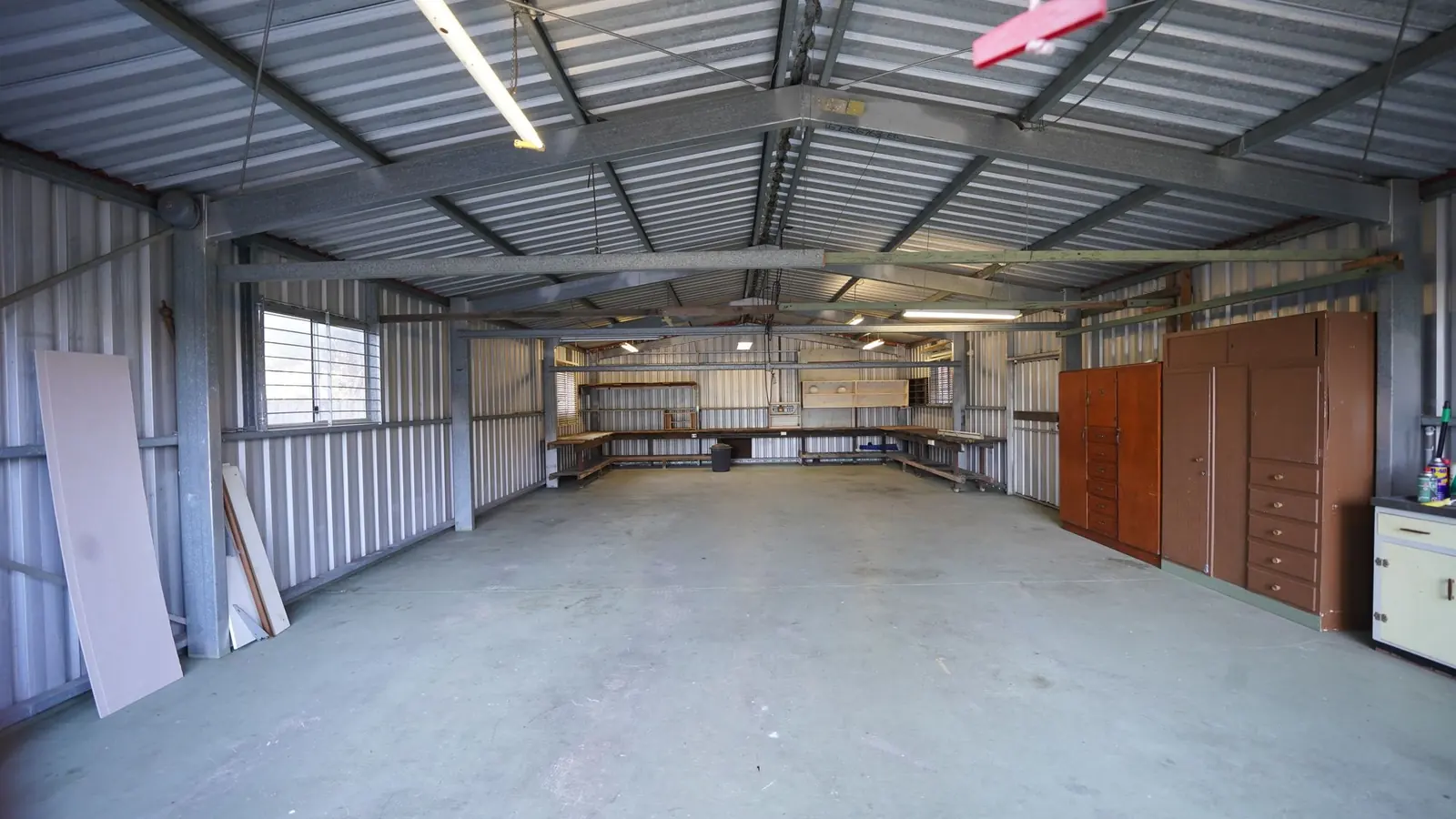
You can heat a metal garage with the same ways to heat any other garage, but insulation and condensation control become even more critical. Without wall and roof insulation, the temperature differential causes the metal to sweat, creating moisture problems on top of massive heat loss. Large detached metal buildings often do best with higher-output natural gas or propane heaters plus strategic zoning - heat the area where you work, not the entire 40×60 space.