Mini Split Installation Cost (2026 Guide): Ductless Mini Split Prices, Factors & Savings
If you are looking at a ductless mini split for your home, you might be wondering what it is going to cost. This guide walks through everything that shapes mini split installation cost in 2026, from the equipment and labor to rebates that can take a real chunk out of your bill.
Updated
Quick Answer: How Much Does It Cost to Install a Mini Split in 2026?
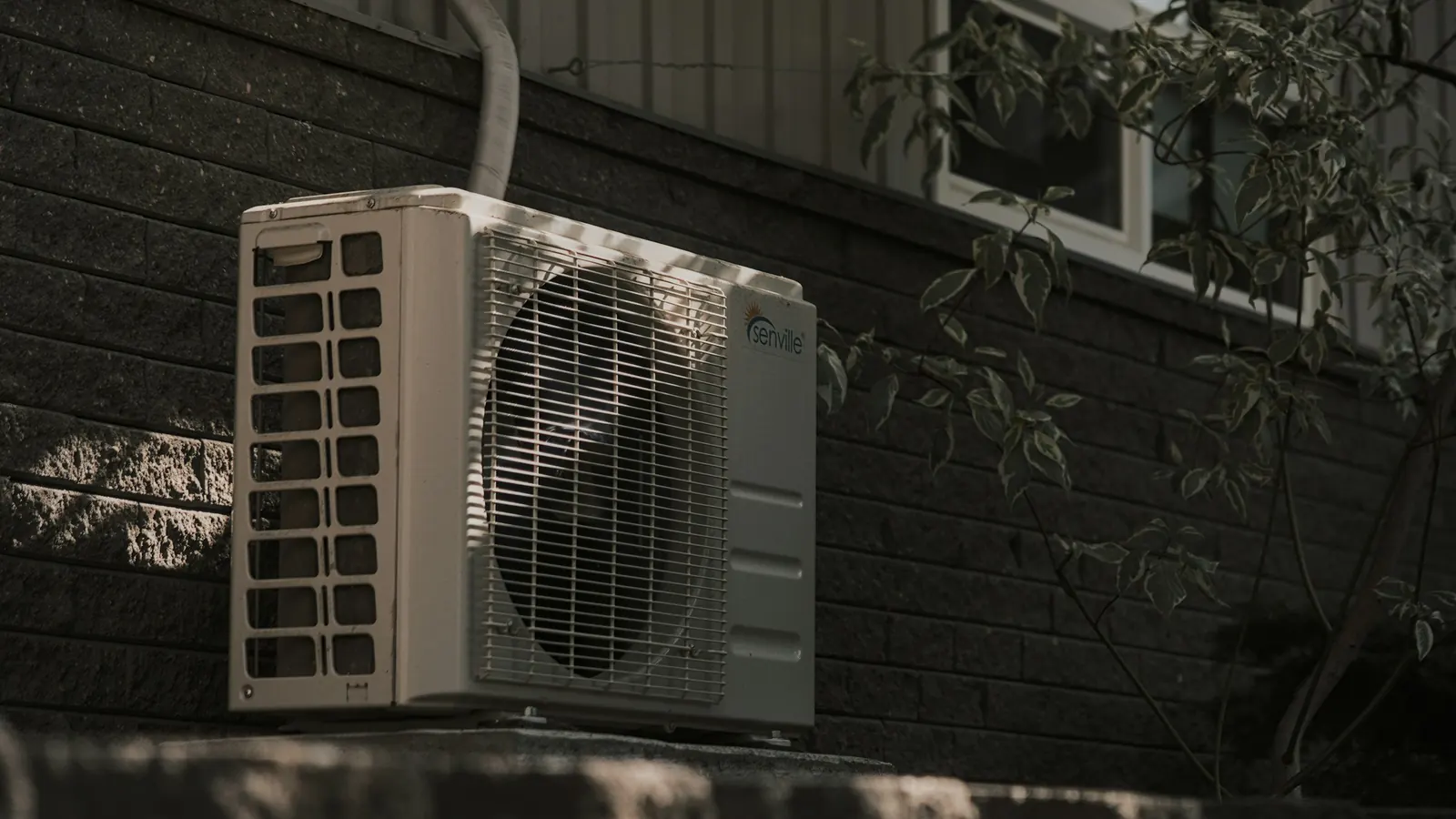
In 2026, you are looking at $1,200 to $14,500 installed depending on zones, BTU capacity, brand and how complex the job gets. A single-zone system with one outdoor unit and one indoor head will run you $1,200 to $5,500, while multi-zone systems can go from $4,000 to $14,500. Installing a ductless mini split for each zone usually costs about $2,000 to $7,000.
Here is about how the numbers should shake out for typical jobs:
- A small single-room system (9,000–12,000 BTU): $1,500–$3,500 installed
- A multi-zone system for 3–4 rooms: $6,000–$12,000 installed, and it usually comes with multiple indoor units
- A whole-home multi-zone system with 4–5+ zones: $10,000–$18,000+ for larger homes
The biggest drivers of split install cost are how many zones you need (a zone is just one room or area with its own thermostat and indoor unit), the BTU capacity, how tricky the install is and the SEER2 efficiency rating.
The hardware itself is about one-third to half of the total, with labor eating up another 30 to 50 percent. You will want detailed quotes that break out equipment, labor and any electrical or permit fees so you can compare them properly.
One thing worth saying early: putting in a ductless mini split is often cheaper than putting in central air with all-new ductwork, especially in older homes or additions. We will get into that comparison later in the guide.
Mini Split Installation Cost Breakdown by System Type & Size
When we say "type," we are talking about whether it is a single zone or a multi-zone system, plus the style of the indoor unit, so that could be a wall-mounted unit, a ceiling cassette or a floor-mounted unit. System size is measured in BTUs, and that directly ties to how much square footage each unit can handle.
Here are installed cost ranges for 2026:
- A single-zone ductless mini split: about $1,800–$6,000 depending on BTU capacity and features
- Two-zone system: roughly $3,500–$9,000
- Three- to five-zone ductless mini split systems: about $6,000–$15,000+ for larger homes
Some BTU examples can put this in perspective:
- 9,000 BTU (~300–400 sq. ft.): $1,500–$3,100 installed
- Installing a 12,000 BTU mini split costs $1,500 to $3,100
- 18,000–24,000 BTU (~700–1,200 sq. ft.): $2,500–$6,000+ installed
Wall-mounted units are the most common type and they are usually the cheapest to put in. Ceiling cassettes cost more than wall-mounted units because of the flush-mount work involved. Floor-mounted units sit near the floor, and they usually land somewhere between those two in price.
Multi-zone ductless mini splits tend to give you a better per-room price than installing several separate single-zone outdoor units, because you are sharing one outdoor condenser across multiple indoor heads.
Key Factors That Influence Ductless Mini Split Installation Cost
No two homes are the same, and a handful of factors can push your final price up or down more than anything else. Understanding these variables helps you figure out where your project is likely to land in those wide ranges.
- System size and BTU capacity: Bigger rooms, open floor plans, high ceilings and bad insulation all call for higher BTU ratings. Going up in size costs you: moving from 12,000 to 24,000 BTU can add $800–$2,000 or more just for the equipment.
- Number of zones: Each extra zone pushes up both equipment and labor because it needs its own indoor head, refrigerant lines and wiring. Single-zone systems are the cheapest way to cool one space, while multi-zone systems let you connect several rooms to one outdoor unit for independent temperature control.
- Install complexity: Long refrigerant line runs, multiple stories, masonry or thick walls and limited electrical access all add labor hours and material costs. A simple single-zone job might take 4–8 hours, while a complex multi-zone install can stretch across 1–3 days. Complexity has a big impact on labor costs for mini-split systems.
- Brand and efficiency: Premium brands with higher efficiency ratings usually run 20–40% more upfront, but they will save you on energy costs over time and deliver better comfort and system efficiency.
- Regional labor rates and permitting: Coastal metro areas often see labor costs 15–30% higher than rural spots in 2026. Electrical requirements vary with system capacity, and some cities need electrical and mechanical permits that add a few hundred dollars to the bill.
Mini Split Labor Costs & Installation Complexity
You usually focus on equipment prices, but labor and install complexity often end up being the real drivers of what it costs to install a mini split. Professional install is not optional. You need it for refrigerant handling, pressure testing and meeting local codes.
In 2026, licensed HVAC technicians usually charge around $75–$150 per hour depending on where you are and the company's overhead. Labor for mini split install runs $500 to $2,000 per zone. It can vary quite a bit based on regional rates and how complex your job is.
Average labor ranges break down like this:
- A simple single-zone wall-mounted mini split: 4–8 labor hours, often $500–$2,000 in install labor
- Multi-zone systems with 3–5 indoor units: 1–3 days of work, often $2,000–$6,000+ in labor
Specific things that push labor costs higher include second- or third-story installs that need ladders or lifts, line set runs over 25–50 feet, tough structural conditions like brick or concrete walls, and needing new dedicated electrical circuits or panel upgrades.
Typical cost adders to watch for:
- Electrical upgrades for panel capacity: $300–$1,500+ in 2026
- More line set length: about $50–$150 per extra 10 feet
- Condensate pumps or wall sleeves: small additions, but they do add to the total
Mini-split install usually needs permits and inspections, which adds to the cost through the permit process. DIY install can void your manufacturer warranty and create safety or performance problems. Improper work risks short cycling, refrigerant leaks and code violations. Professional installers bring the specialized tools and training for proper refrigerant handling that this work needs.
Mini Split Unit Cost by Type, Brand & Efficiency
The indoor unit style and brand level have a major effect on ductless mini split prices before you even factor in labor. Knowing equipment-only pricing helps you see exactly where your upfront money is going.
Typical 2026 equipment-only price ranges (no labor):
- Wall-mounted ductless mini indoor units paired with a standard outdoor condenser: about $700–$3,000+ depending on BTU and features
- Ceiling cassette systems: often $2,000–$4,000+ for the matched indoor and outdoor units set
- Floor-mounted units: usually $1,300–$4,000 depending on system size and brand
Brand levels break down like this: premium imported brands (Daikin, Mitsubishi, Fujitsu) with advanced inverter technology and high SEER2 ratings cost the most upfront, but they usually include cold-climate performance and longer warranties. Mid-range brands split the difference between price and performance. Budget systems cost less upfront but might give you lower system efficiency or shorter warranty coverage.
Higher-efficiency ductless systems (SEER2 ratings of 20–26) usually run several hundred to a few thousand dollars more, but in climates with long cooling or heating seasons, that extra efficiency can pay itself back over 5–10+ years through lower energy costs.
Extras that affect unit cost include built-in Wi-Fi and smart controls, advanced filtration and dehumidification, and low-ambient heating capability for cold-climate performance down to -13°F or lower.
Mini Split vs. Central Air: Which Is More Cost Effective?
A lot of homeowners compare ductless mini splits to traditional HVAC when you are upgrading or replacing old equipment. Whether it makes sense depends heavily on whether your home already has ductwork.
- Replacing an existing central air conditioner using good ductwork may cost about $4,000–$9,000 in 2026
- Adding new ductwork when installing central air in an older home can add $5,000–$15,000+ depending on size and complexity
In homes without ducts, ductless mini systems often end up cheaper overall than adding full ductwork plus a new air conditioner. You also get precise room-by-room temperature control and the ability to condition only the spaces you are actually using.
Mini splits really shine for room additions, finished attics or basements, converted garages and older homes where running ductwork would tear everything apart. Multi-zone systems can give independent temperature control across several rooms without opening up walls and ceilings.
Central air can still make sense in newer homes with existing ducts in good shape that need whole-home conditioning. But even then, ductless mini splits avoid duct losses, which can waste 20–30% of your conditioned air in some homes, and zone control can cut energy use compared to a single-thermostat system.
How to Save on Ductless Mini Split Installation Cost
The higher upfront cost of a ductless mini split can hurt, but there are concrete ways to save money without giving up performance or comfort.
- Right-size the system: You should make sure your contractor runs a Manual J or equivalent load calculation. An oversized unit costs more upfront and can short-cycle, which uses extra energy and hurts comfort. Proper sizing keeps both your initial cost and your ongoing utility bills in line.
- Claim rebates and incentives: Local utility rebates can cut your mini split install costs, and federal tax credits may cover 30% of installation costs for qualifying energy efficient equipment. You should check current ENERGY STAR listings and your utility's website for 2026 programs.
- Plan zones strategically: Only put indoor air handlers where you actually need them. A multi-zone system can save on equipment compared to multiple separate single-zone outdoor units. One outdoor unit serving several rooms is almost always cheaper.
- Time your project and get multiple quotes: Getting 2–3 detailed quotes during slow seasons (spring and fall) often gets you lower labor costs and better scheduling. Insist that quotes list out equipment, labor, electrical work and permit fees so you can spot savings. Get line-item quotes so you can look at install costs accurately.
- Choose appropriate feature levels: Skip extras you won't actually use, like top-tier filtration or app features, if budget is tight. Balance energy efficiency with payback period based on your climate. Financing plans can help manage upfront mini split costs by spreading the total project cost over time.
What's Included in a Typical Ductless Mini Split Installation Quote?
Knowing what a quote covers helps you avoid surprises and compare contractors fairly. Not all quotes are laid out the same way, so understanding standard items included and common items left out puts you in control.
Standard items usually included:
- Outdoor and indoor units with stated BTU and SEER2 ratings
- Standard line set length, control wires and drain line
- Mounting brackets or pads, basic wall penetration and line set covers if specified
Labor and commissioning usually covers mounting indoor and outdoor units, connecting and charging refrigerant lines, electrical connections from disconnect to equipment, electrical wiring from the existing panel (when capacity is enough), and system startup with a basic walk-through for you.
Common exclusions to ask about:
- Major electrical upgrades like a new sub-panel or main panel replacement
- Extensive carpentry, drywall repair or painting
- Unexpected structural work or asbestos/lead cleanup
- Extended line sets beyond the standard length included in the quote
Your documentation should include the manufacturer's warranty on compressor and parts, a workmanship warranty from the installer, and any maintenance or service plan options. Get everything in writing, including change-order procedures if site conditions turn out different from the original estimate.
Is a Ductless Mini Split Worth the Cost Long-Term?
The real question is not just what a mini split costs today, it is whether that upfront investment pays off over 10–20 years of daily use. For most homes, it does.
- Energy efficiency: Inverter-driven compressors and zoned control usually use less energy than older central air units or window ACs. Avoiding duct losses means real monthly savings on energy costs, which is why mini split systems are among the most energy efficient options out there.
- Comfort and flexibility: You get precise temperature control room by room, quiet operation from the indoor units, and the ability to both heat and cool with a single ductless mini split system if you go with a heat pump model. Adding another indoor unit later is pretty simple if your outdoor unit has spare capacity.
- Home value: Modern, efficient heating and air conditioning appeals to buyers, especially in homes that did not have central air before or relied on window units.
- Maintenance: Cleaning the filter every month or two during heavy use, plus periodic professional service checks, keeps performance and warranty coverage going without much ongoing cost.
For many homes without existing ductwork, a ductless mini split is one of the most cost effective ways to get high-efficiency, year-round comfort, which makes the mini split worth the initial upfront investment.
Next Steps: Budgeting and Planning Your Mini Split Installation
The real savings happen when you move from research to actual planning. A clear budget and defined scope make talks with HVAC technicians more productive and help you avoid expensive changes mid-project.
Here's a simple planning flow:
- List the rooms or zones that need heating and cooling and measure their square footage
- Estimate BTU needs with a basic square-foot rule (about 20–25 BTU per square foot), then plan to confirm with a professional load calculation
- Set a realistic budget range: single-zone projects often land in the mid four-figure range, while multi-zone ductless mini split systems for a whole home can hit the low to mid five figures in 2026

When gathering quotes:
- Contact at least two or three licensed contractors who regularly install a mini split ac system
- Request detailed, line-item quotes and ask each contractor to explain their recommended sizing, number of zones and placement of indoor and outdoor units
- Look up local utility rebates and federal or state programs before signing a contract. Locking in available incentives before they change can really reduce your total project cost
- Ask installers about financing options that spread the install cost over time with lower labor costs during off-peak scheduling
A well-planned ductless mini split install gives you energy-efficient comfort for years. By carefully comparing ductless mini split prices, understanding every factor that shapes split install cost, and adding in long-term savings on utility bills, you will make a smart investment that pays for itself through comfort, efficiency and value.